The Indigenous Food Lab Visits Hawai‘i
Perhaps you’ve heard of “the Sioux Chef,” Sean Sherman, who became nationally recognized for establishing a restaurant in Minneapolis to showcase and celebrate Native American cuisine. Sherman is also behind a much larger project, the nonprofit organization North American Traditional Indigenous Food Systems (NATIFS). The aim of the NATIFS (NATIFS.org) is to create a network of regional hubs, four in the contiguous states, plus Alaska and Hawai‘i, that raise awareness about and preserve local culinary traditions. The Indigenous Food Lab, also in Minneapolis, is the first NATIFS regional hub, providing a kitchen for entrepreneurs as well as a demonstration studio, and a small online market of products from indigenous producers.
The Indigenous Food Lab’s “Sovereignty Initiative” involves partnering with indigenous peoples across the country to inspire the use of local and forageable foods through the development of recipes and cooking videos. The Food Lab visited Hawai‘i over several months in 2025, assembling videos of local chefs, who offered up nine recipes (for example, ʻulu corned beef hash, kalo burger, mamaki tea and jelly, and limu manauea salad) and demonstrated how to put them together. For instance, in one video, chef Kealoha Domingo and conservationist Rick Barboza discuss and prepare kalo poke. Another video shows Lei Wann, director of Limahuli Gardens and Preserve, providing a step-by-step tutorial on making inamona and then using it in preparing inamona poke.
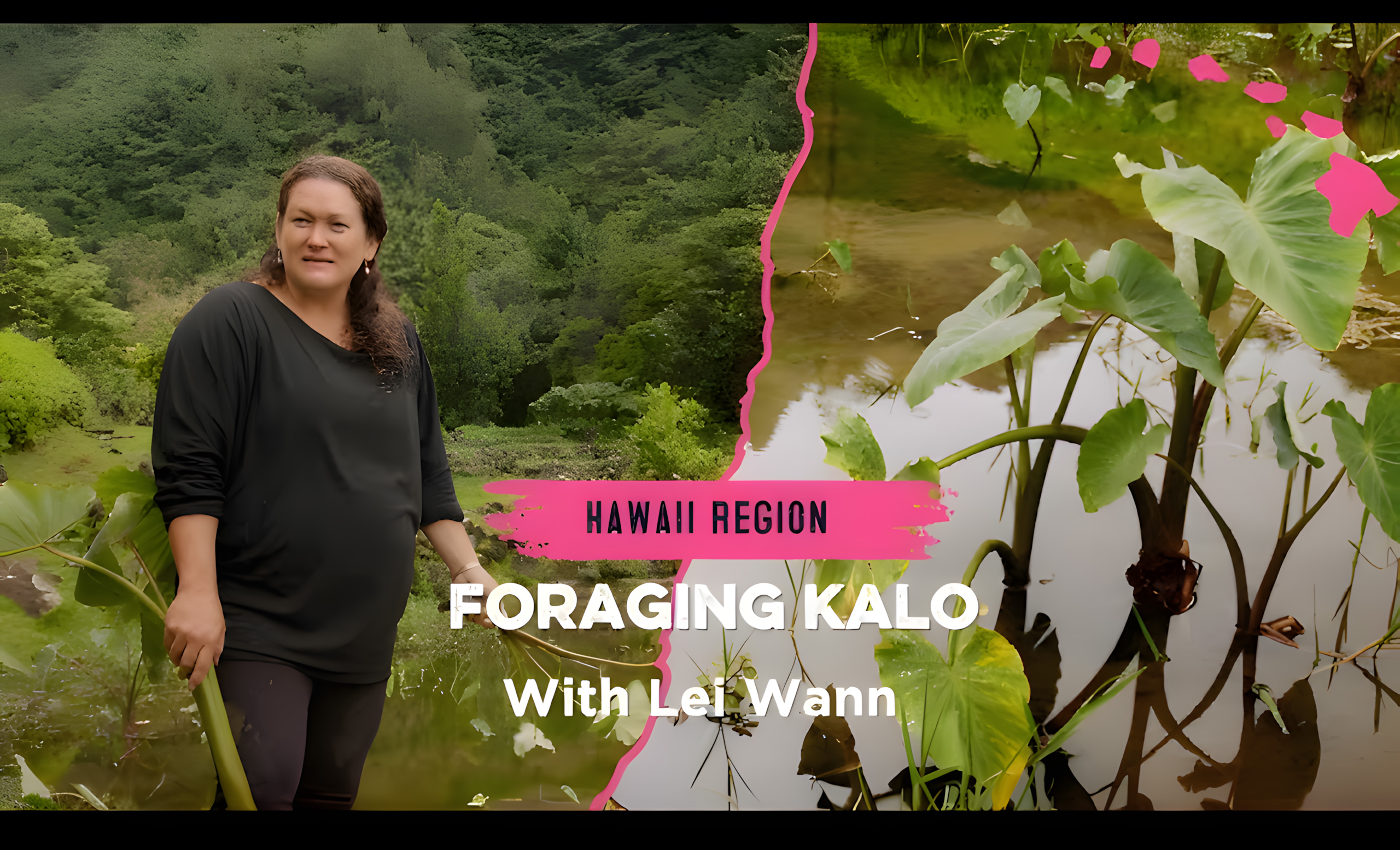
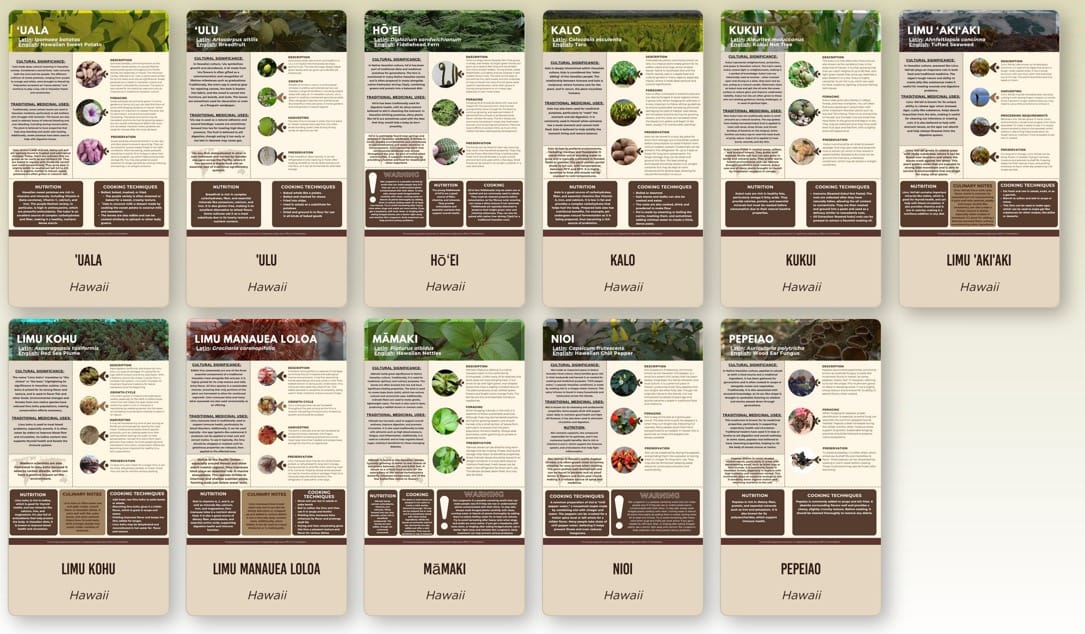
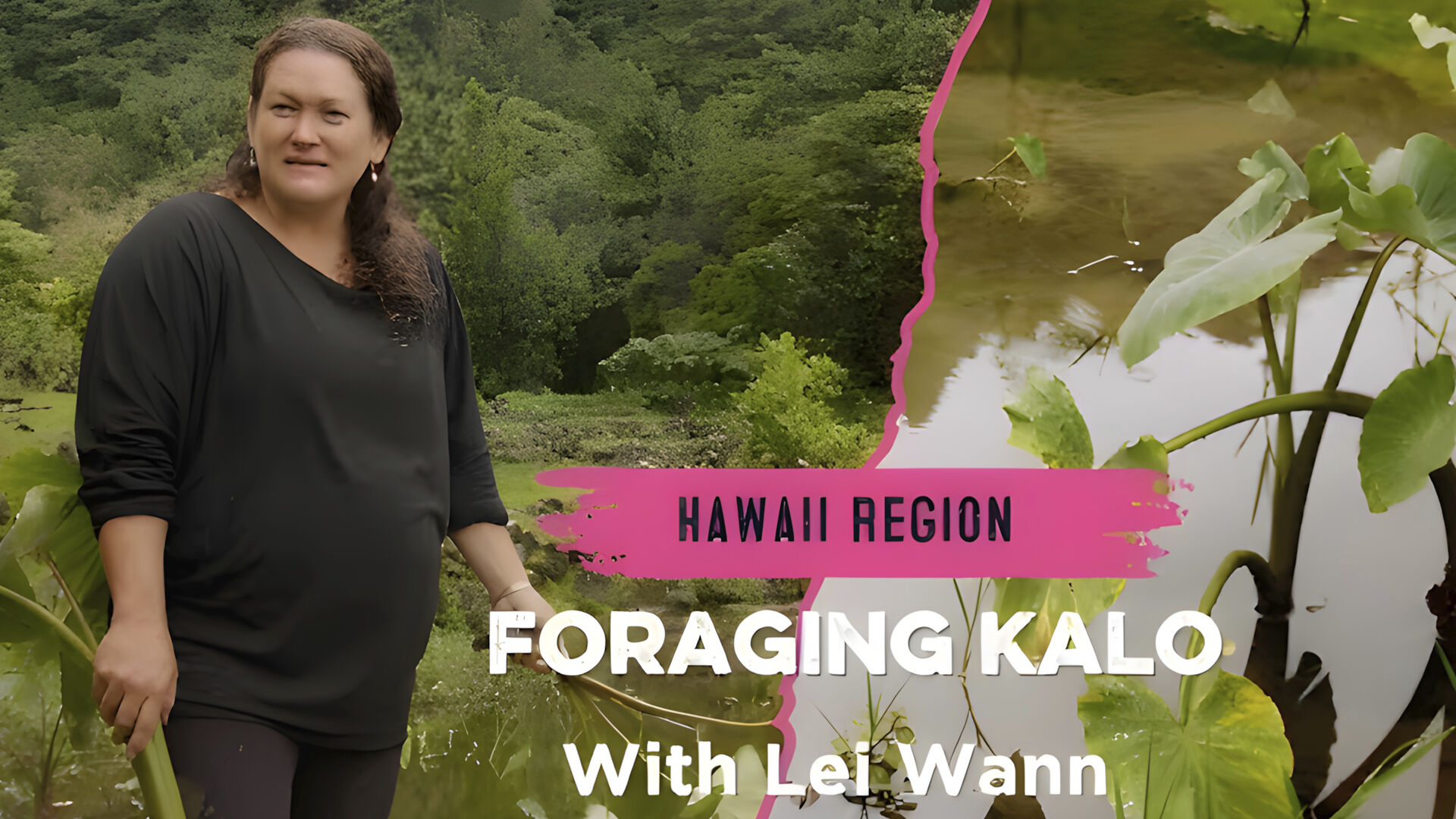
Lei Wann is also featured in four videos the Lab produced on foraging—for kukui, limu, and kalo. The foraging section for Hawai‘i also presents 11 highly informative downloadable PDFs on the islands’ forageable plants: ʻulu, ʻuala, ho‘ei (fiddlehead fern), kalo, kukui, three varieties of limu, mamaki, nioi (chili pepper), and pepeiao (wood ear fungus).
It’s great for Hawai‘i to have such recognition, and there’s plenty to learn from the sources and information the Indigenous Food Lab presents. It’s also fun and informative to look at what the Lab presents on the other regions—Northeast, Southeast, Midwest-Mountain Plains, West-Southwest, and Alaska--and their forgeable, native plants. NATIFS Videos & Info Sheets