Fish Farming: Full Disclosure
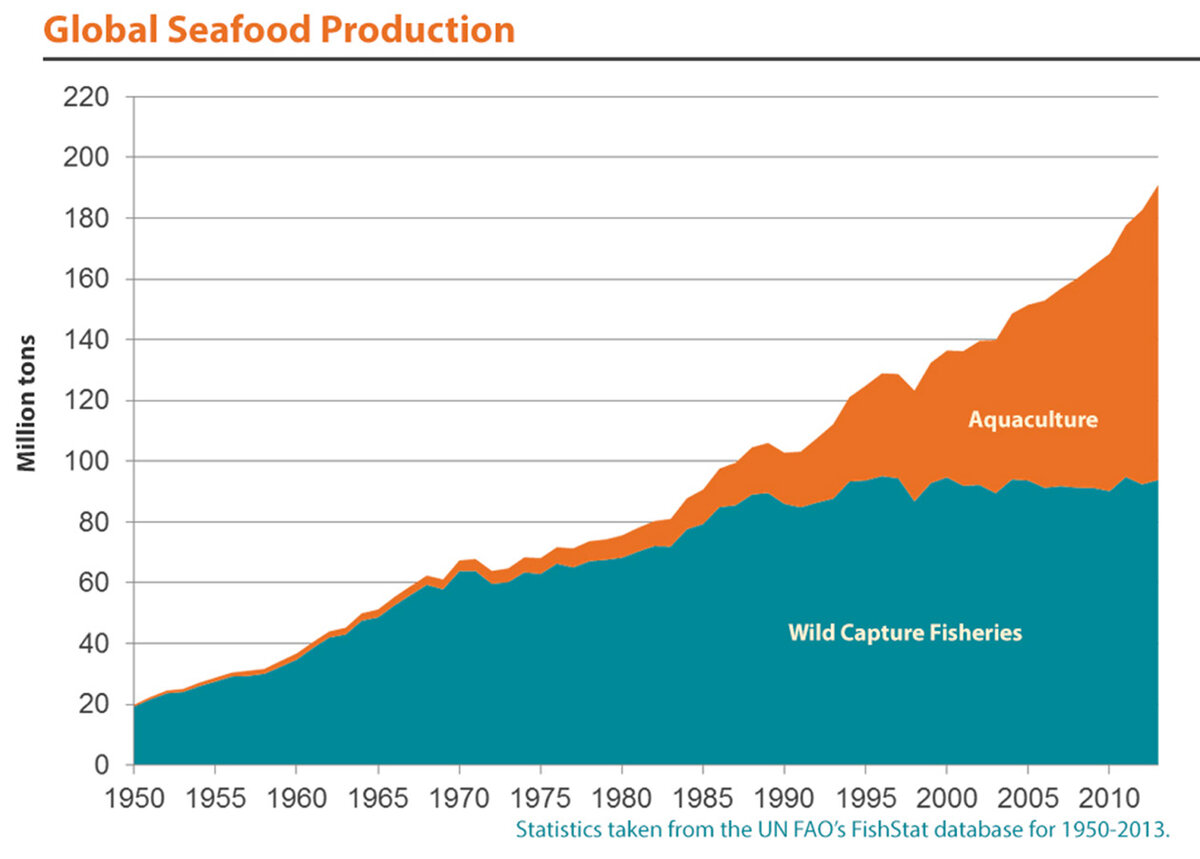
As every health-conscious consumer knows, fish is “good food:” it’s high in protein, has a low glycemic profile, and often includes prized “healthy” oils. With this knowledge, all around the world, we are gobbling fish, and harvesting fish at a rate that will eventually devastate one-third of the world’s fish stocks.
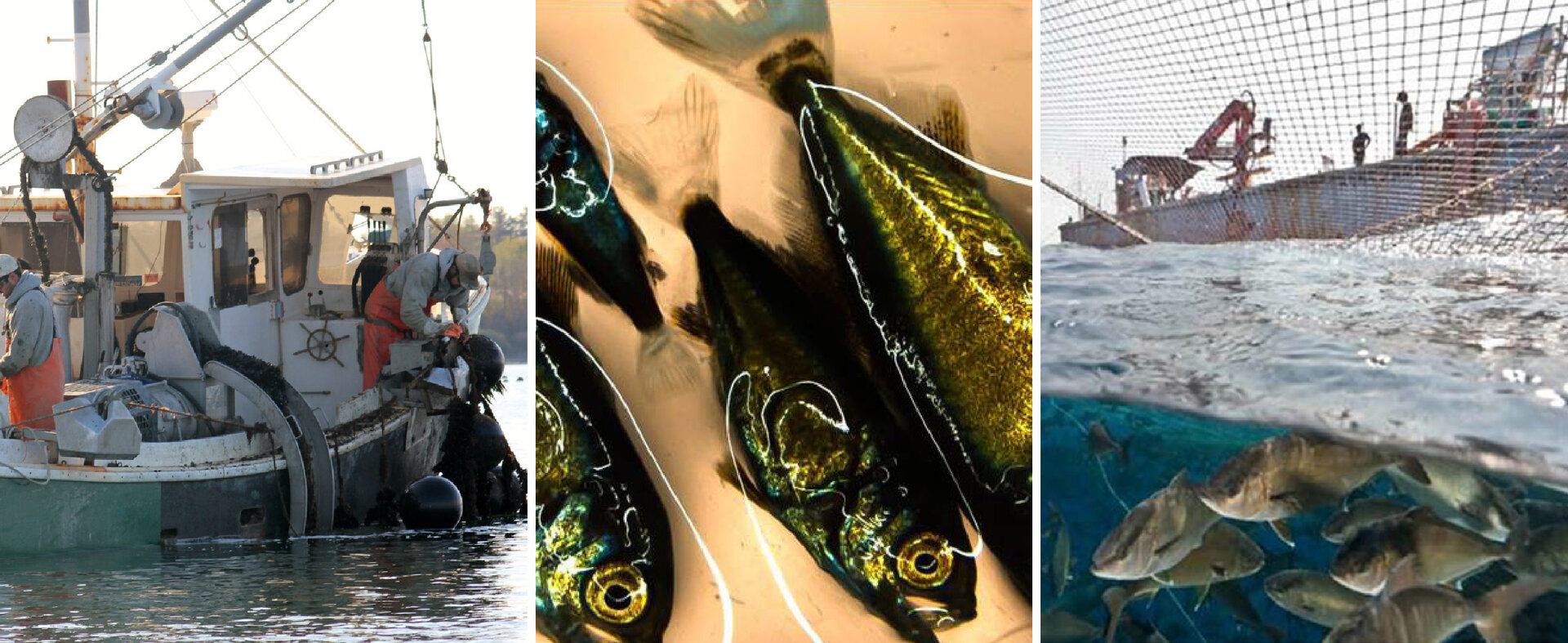
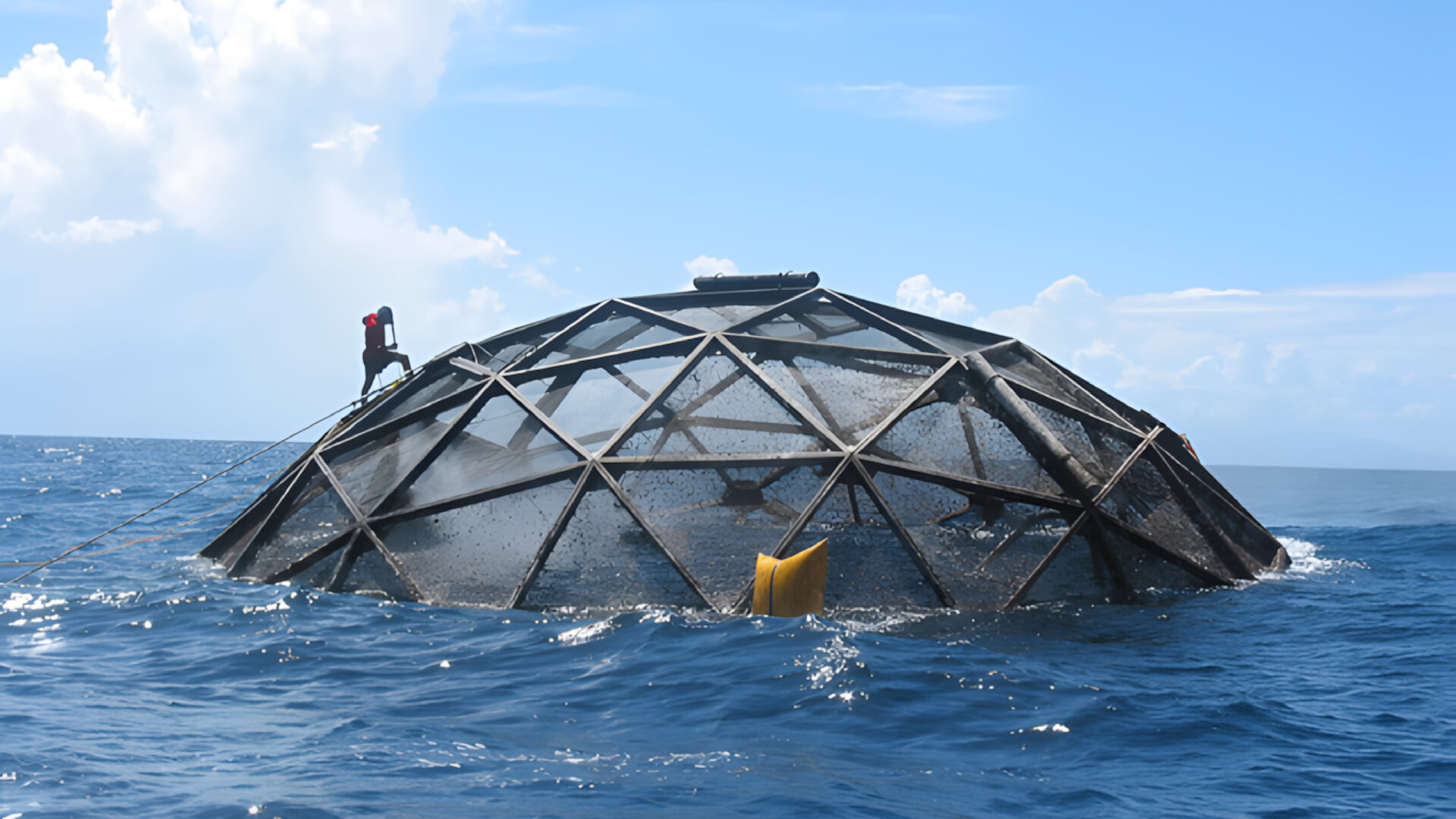
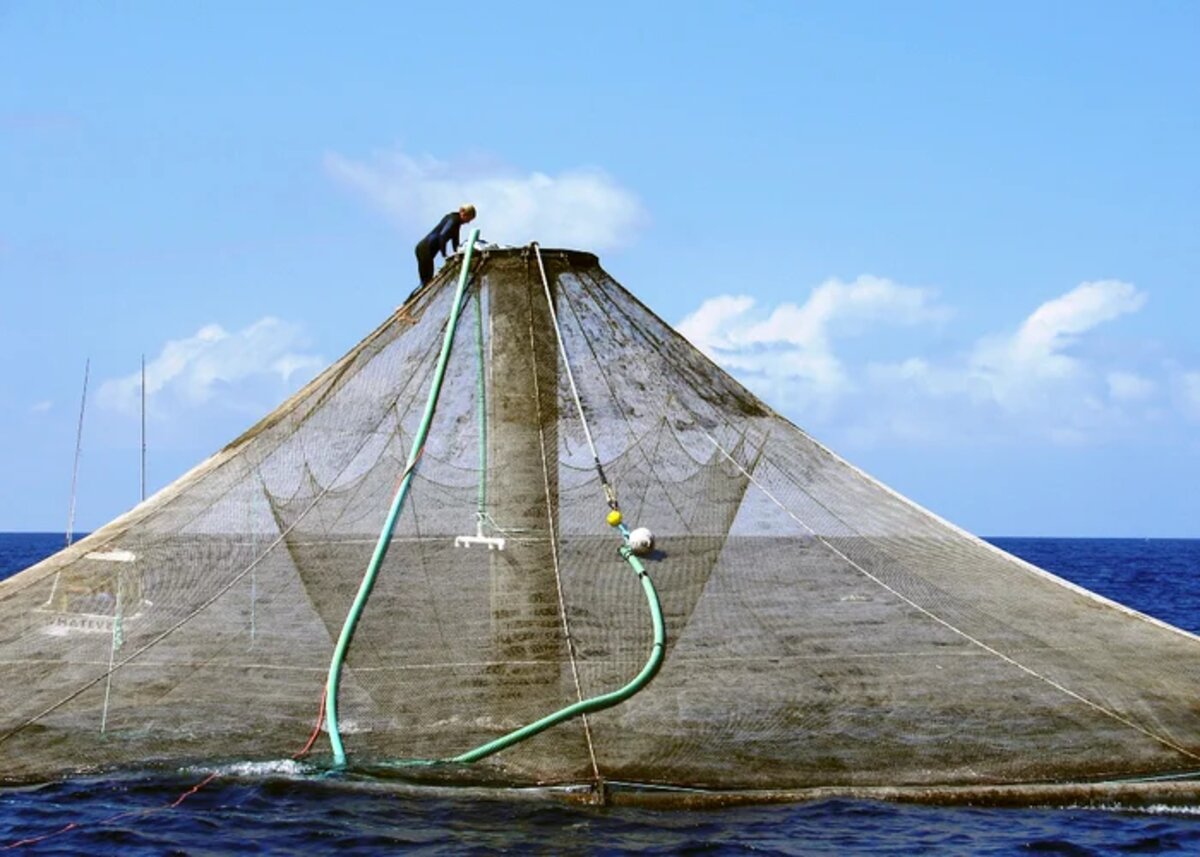
It’s been thought that aquaculture would be the answer: fish farming rather than taking fish from the wild. Sounds good, and more than half the seafood now consumed is farmed rather than caught. But as the industry has grown to meet demand, it’s taken on dimensions that many of us never imagined. Not pretty ponds of fish, but enormous structures for underwater housing, huge ships hosting outsized “cabins” for fish, and massive ponds constructed in otherwise desert land.
And the fish our palates favor—salmon and shrimp, in particular—are fed fishmeal and fish oil that’s made from smaller, wild fish scooped up from the ocean. This is where things get even less appetizing for those of us aspiring to ‘ai pono. The industry producing the fishmeal and oil is reported to be fraught with worker abuse and endangerment, and environmentally destructive practices. The smaller fish used to make the fishmeal/oil are anchovies, sardines, sardinella, and the like, which could be good eating themselves. The implications for these species is staggering; according to the New York Times (NYT), it “takes over 700 wild anchovies to feed one farmed salmon.” Often, the smaller fish are grabbed by bottom trawlers, harming the ecosystem and wasting other species that happen to be caught too. Additionally, there is poor and limited regulation of the estimated 10,000 “fishmeal ships” doing this harvesting, particularly because many of these ships turn off any technology that would allow tracking of their whereabouts.
Once the fish are obtained, thousands of huge factories then cook and dry them, and turn them into ground fishmeal. These factories are themselves stinky and potentially harmful to workers and those living nearby—because of an airborne carcinogenic compound given off by decaying fish. There are other environmental impacts, too, such as contamination of groundwater when waste is improperly dumped, and spontaneous combustion of fishmeal at plants, causing explosive fires. Plus, the waste (feces, etc.) produced by the fish at these farms is allowed to simply drop to the bottom of the ocean. Not good for life at the ocean floor.
Who is doing all this? Per the NYT, the global big players in aquaculture include China, India, Norway, Indonesia, Bangladesh, and Vietnam. You notice that the U.S. isn’t among them. In fact, “more than 80% of the seafood eaten in the United States comes from overseas.” The key reason is cost: It costs more to do aquaculture in the U.S. because of regulations designed to protect people and the environment—from the harms now well documented as attendant to unregulated fish farming.
The next time you go to buy fish at the store, or order seafood in a restaurant, look closely at the labeling. Now that you understand more completely what’s behind the “bargain” of farmed fish, it’s even more pono to give priority to local sources.
This article is based on New York Times reporting that featured an extensive investigation by the non-project Outlaw Ocean Project foodforfeed.theoutlawocean.com.